
If you’re looking for simple, natural ways to support your immune health, start with your plate. What you eat each day plays a powerful role in helping your body defend itself. Strengthening your immune system isn’t about quick fixes or taking lots of pills—it’s about nourishing your body with the right foods, staying active, managing stress, and getting enough rest. Here’s how to support your health from the inside out.
Immune Boosting Drinks
One way to help your immune system is to reduce inflammatory drinks such as coffee, black tea, alcohol, high sugar flavoured milks, high sugar juices and soft drinks.
Herbal teas offer a non-inflammatory way to nourish and support healing while adding to your water intake for the day. While there are many commercial herbal teas on the market, you can simply and easily make your own at virtually no cost. Here is an example…

Immune Strengthening Tea
1 teaspoon Manuka Honey (anti-microbial)
1 cup of boiling water
Squeeze of half a lemon (Digestive & anti-microbial)
Slice of fresh ginger (optional) (digestive)
Consume foods rich in Vitamin C
Vitamin C is an essential nutrient for the immune system and is also involved in reducing internal inflammation, so getting enough each day can be really important.
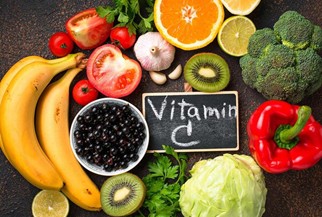
Here is a list of foods high in vitamin C. Be aware that any cooking or heating processes degrades vitamin C, so the closer to raw you can eat them, the higher the vitamin content will be.
1 whole yellow capsicum (pepper) 341mg
1Litre Pure Blackcurrant juice 221mg
1 whole red capsicum (pepper) 195mg
1 whole green capsicum 109mg
8 fresh Brussel sprouts 104mg
1 cup fresh papaya 88mg
1 whole Orange 83mg
1 whole kiwi fruit 64mg
5 large strawberries 53mg
1 cup chopped kale 53mg
1 whole lemon 45mg
1 cup fresh berries 42mg
1 spear fresh broccoli 24mg
1 whole fresh tomato 17mg
5 Tablespoons Goji berries 14mg
1 Tablespoon fresh parsley 5mg
Nutrition Dense Drinks
Smoothies can be a great way to increase your daily nutrition, providing you are not using ingredients such as dairy products which can be mucous forming. Here is an example of an Immune Boosting Smoothie…
3 cups of coconut water (excellent electrolyte)
Juice of 2 oranges
Juice of 1 lemon
Fresh mint
1 punnet of blueberries (prewashed)
1 kiwi fruit, peeled
Large handful of baby spinach
Blend until just blended (do not over blend as this destroys the vitamin content)
Have as a replacement for coffee or black tea or store-bought fruit juice.
Alkalising, Nutrient Dense, Easily Digestible, Green Smoothie
3 cups Water (Clean filtered water, spring water or coconut water)
2 tsps Greens Powder (Powdered greens can be bought from Health Food shops, chemists and some leading supermarkets. Look for a good quality product that is rich in nutrients. If possible, choose a product that includes Spirulina.)
2 Tbsps Protein Powder (Aim for a vegetable based protein powder such as Hemp or Pea Protein. Choose a quality product and refer to the package for serving size.)
5 pieces Frozen Banana (Buy bananas when they are cheap or ask your supermarket if they have any older stock out the back. You can often get them very cheap that way. Peel them, chop into chunks and freeze in a snap-lock bag.)
1/2 cup Blueberries (You can use fresh or frozen or any other berries or half a kiwi fruit. Look for local product and not grown overseas if possible.)
2 stalks Celery (Wash it well)
2 pieces Brazil Nuts (Please ensure they are raw and not salted or roasted)
1/8 Cucumber (Aim for a 5cm length or more if you like)
1 cup Baby Spinach (Around a handful)
1 cup Mixed Greens (Fill the blender, should be nearly full by now, push it in!)
- Add 3 cups of filtered water into the blender.
- Add powders and fruit.
- Chop the celery into chunks and add to the blender.
- Add the nuts and cucumber and fill the blender with the greens.
- Blend until smooth. Avoid over-blending as this can destroy some of the nutrients.
- Divide the smoothie into two containers and drink as a snack or meal replacement.
**Note: 5 pieces of banana is equivalent to around 3/4-1 whole banana.**Note, if possible, try to use organic berries as they can be heavily sprayed. If using frozen berries, check that the fruit is Australian and not from China where growing practices can be less than desirable.
Healing, easily Digestible Soup
Soups can be a nutritional super food that is easily digestible and great for anyone who becomes unwell or as a preventative measure. Made in bulk, they can be portioned and frozen to ensure you always have something on hand should you or someone in your family fall ill. Here’s how you make it…

Immune strengthening Soup
- 1 Tbspn Coconut oil
- 1-2 chicken carcass (available from butchers)
- 1 red onion, roughly chopped
- 3 sticks of celery (leaves and all), roughly chopped
- Half a whole garlic, peeled and roughly chopped
- 3cm fresh ginger, finely grated
- 1 heaped tsp dried turmeric
- ½ tsp black pepper
- 500g pumpkin (any kind), peeled & chopped into large chunks
- 1 carrot, chopped
- 1 potato (any kind), scrubbed & chopped into large chunks
- Real Chicken stock (or vegetable) around 2L
- 1 Tbspn Apple cider vinegar
- Half a bunch of parsley
Method
- Sweat down the onions and celery in the coconut oil and then add the garlic, ginger, pepper and turmeric, stirring to prevent burning, until aromatic.
- Add the pumpkin, potato and carrot and stir.
- Add the chicken carcass pieces and the vinegar.
- Add enough stock to cover the vegetables and bones. Bring to the boil and then turn down the heat to a gentle simmer. Cook gently for around 45 mins.
- Remove from the heat and allow to cool for around 10-15 mins.
- Remove the bones from the soup and add the parsley.
- Blend in a blender or with a stick blender.
- Remove any meat from the bones and add it back in to the soup.
Soup can be portioned and frozen for up to 3 months.
Consume foods high in Zinc

Along with vitamin C, Zinc is another nutrient that is heavily used by the immune system, so ensuring you are eating a good healthy diet, rich in zinc is helpful in these times. Foods high in zinc include;
Red Meat, Seafood, Nuts (raw & unsalted or nut butters), Seeds (this includes seed butters), Legumes (chickpeas, lentils, beans), Dairy foods (cheese), Eggs, Whole grains (oats, quinoa, rice), dark chocolate. Some vegetables such as Potatoes, Sweet Potatoes, Green Beans and Kale have smaller amounts of zinc, but are highly bioavailable (easily absorbed, so they should form part of a balanced wholefood diet.
Get enough Sunshine
Vitamin D is another nutrient needed by the immune system and many of us are quite low in this important nutrient. Try to spend 30 minutes outdoors each day. Eat your lunch outside, go for a walk or read a book. There are some foods that can provide vitamin D such as oily fish, however, the best source is sunshine.
Prioritise whole, nourishing foods.
A diet rich in unprocessed, nutrient-dense foods gives your body the tools it needs to maintain a resilient immune system. In contrast, excessive sugar and highly processed “junk” foods can promote inflammation and disrupt the balance of your gut microbiome—both of which can weaken your immune defences. Because the digestive system plays a key role in immune function, maintaining gut health through good nutrition is essential.
Avoid fast food and trans fats.
Highly processed foods often contain trans fats, which not only increase inflammation but also contribute to elevated cholesterol, weight gain, and metabolic stress. These factors place unnecessary strain on your body’s natural defences and can impair immune function over time.
Quit smoking.
Smoking floods the lungs with toxic chemicals and causes chronic inflammation, both of which severely compromise immune health. It’s nearly impossible to maintain a strong immune system while smoking. It’s also important to remember that second-hand smoke can be just as harmful—posing risks to anyone nearby. If you’re ready to quit, there are many resources and supports available, including personalised guidance through Eat Right for Life. Book a consultation, and we’ll work together to create a plan that supports your respiratory and overall health.
Prioritise restful sleep.
Sleep is the body’s time for repair. During restful sleep, your immune system gets to work—healing tissue damage, reducing inflammation, and restoring balance. Aim for 7–8 hours of quality sleep each night to give your body the best chance of resisting illness and staying well.
In Summary: Every small, consistent choice you make to nourish your body contributes to a stronger, more resilient immune system and overall health.